Polo Road Dutch Colonial Renovation — Winston-Salem, NC
Polo Road Dutch Colonial — Winston-Salem
This 100-year-old Dutch Colonial needed more than a refresh. Salem Builders took on a full-house renovation — structural, finish, and everything in between — while protecting what makes a house like this special: original hardwood floors, period proportions, and the craftsmanship built in a century ago.
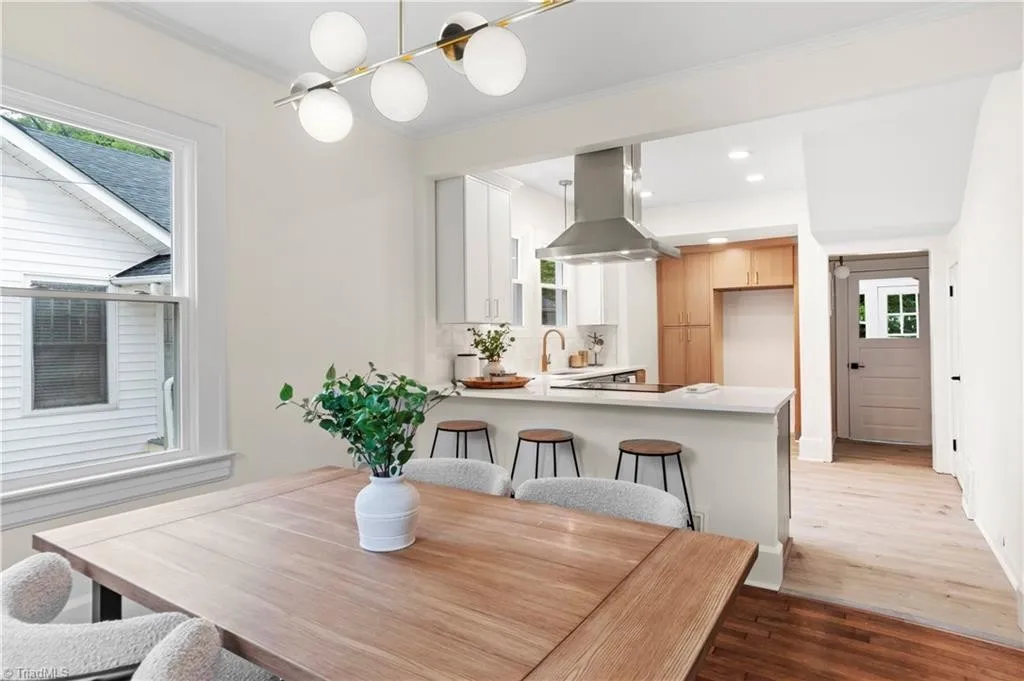
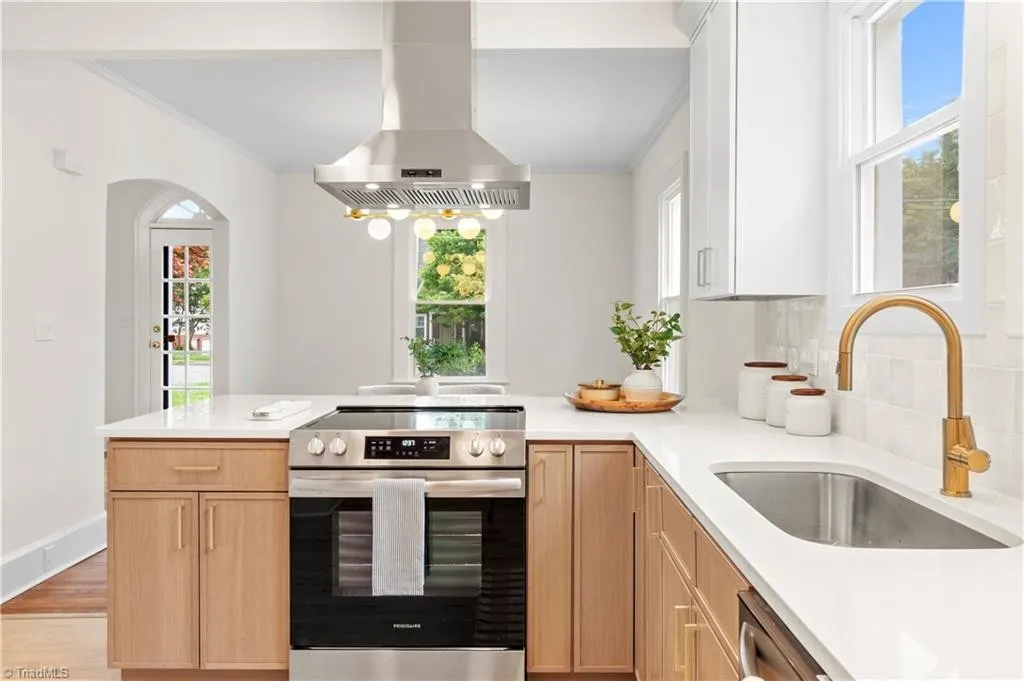
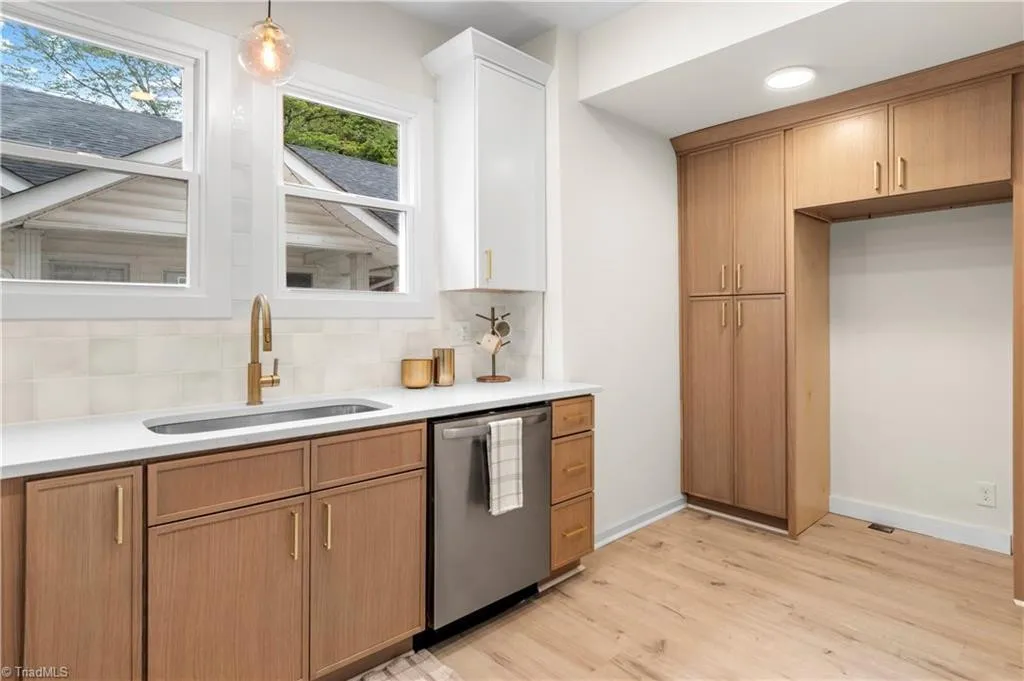
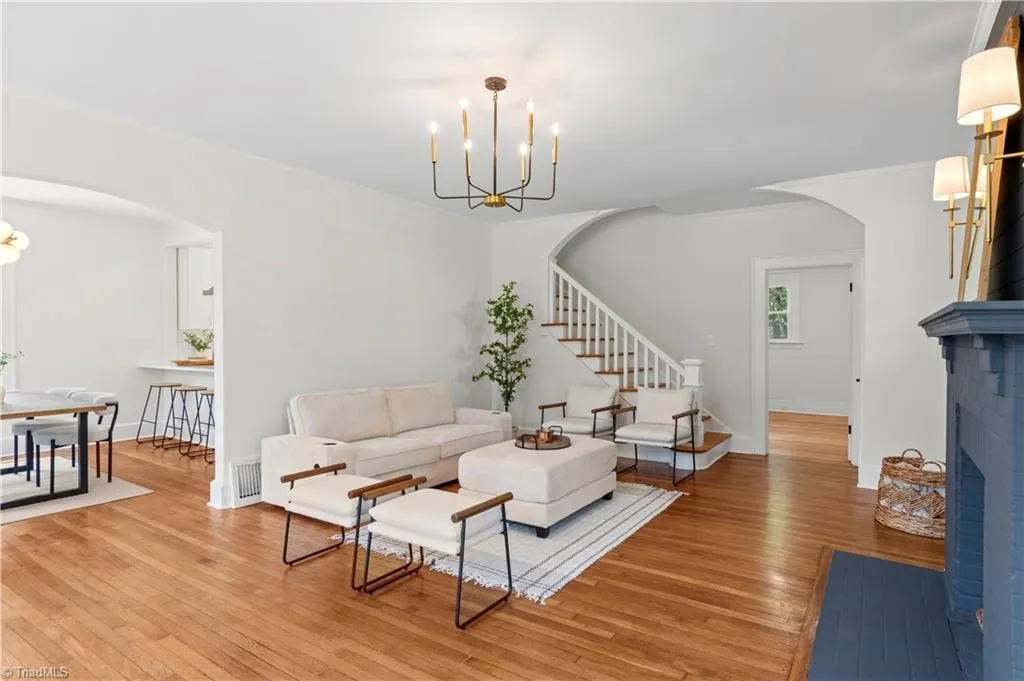
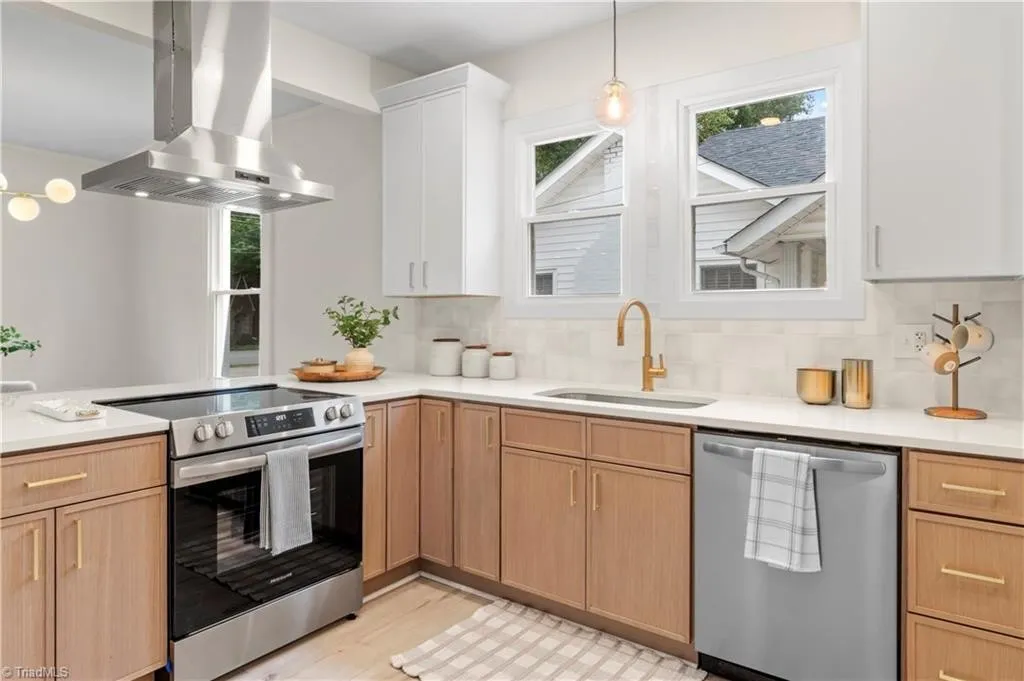
The biggest structural change was removing a load-bearing wall between the kitchen and living area. It turned a compartmentalized early-20th-century floor plan into the kind of open, light-filled space families actually live in today — without losing the character of the home.
Scope included:
- Whole-house renovation (all rooms)
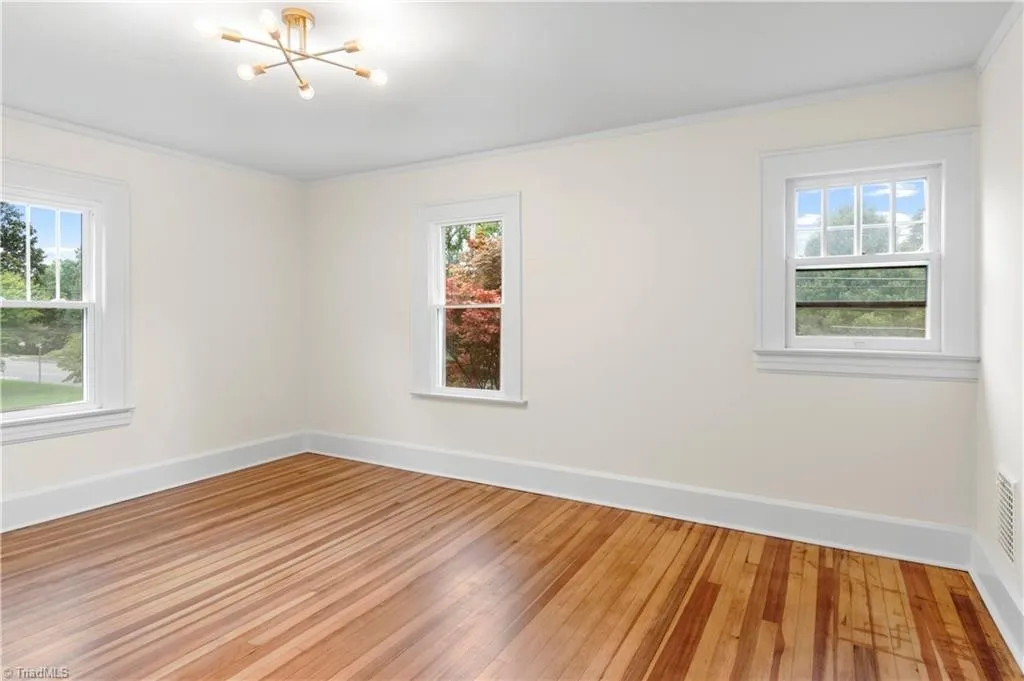
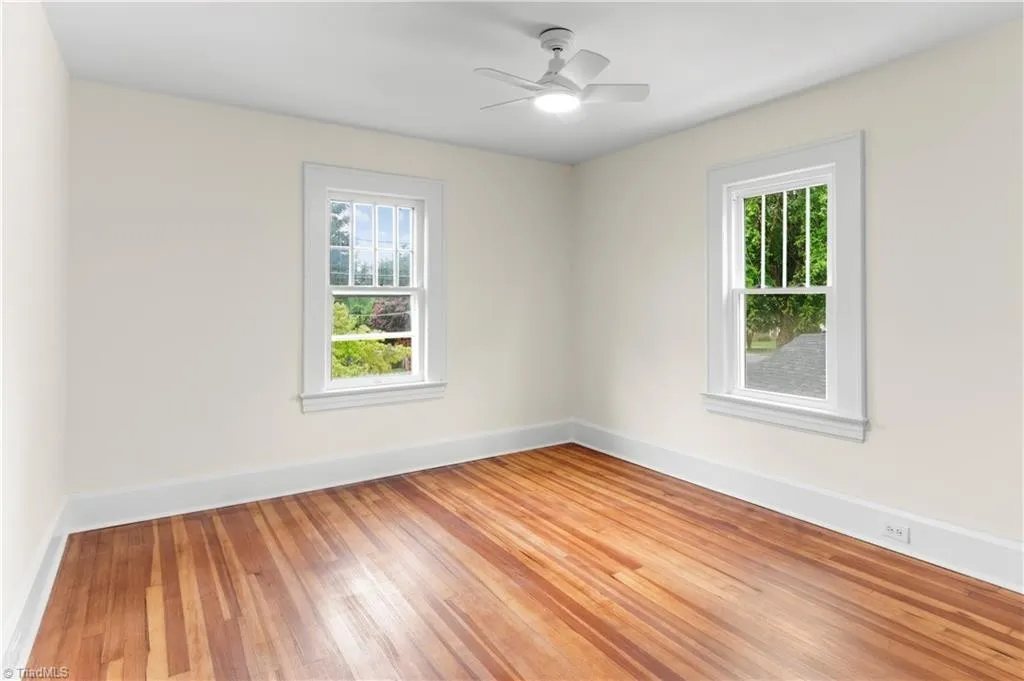
- Refinished original hardwood floors throughout
- Kitchen expansion with removal and engineering of a load-bearing wall
- Finish work, paint, and trim restored to match the home’s era
Dutch Colonials don’t come back from a century of life without someone who knows how to handle old framing, irregular dimensions, and the surprises inside the walls. Salem Builders delivered the renovation on schedule — and the house is set up for the next century.
Preserving a century of craftsmanship
Dutch Colonials built in the 1920s were constructed with true dimensional lumber, lath-and-plaster walls, and hardwood floors laid over subfloors that have stopped being level decades ago. That’s not a problem — it’s a starting condition you have to plan around. Rip-and-replace is the easy (and expensive) path; restoring what’s there takes more skill but produces a home that feels like itself, only better.
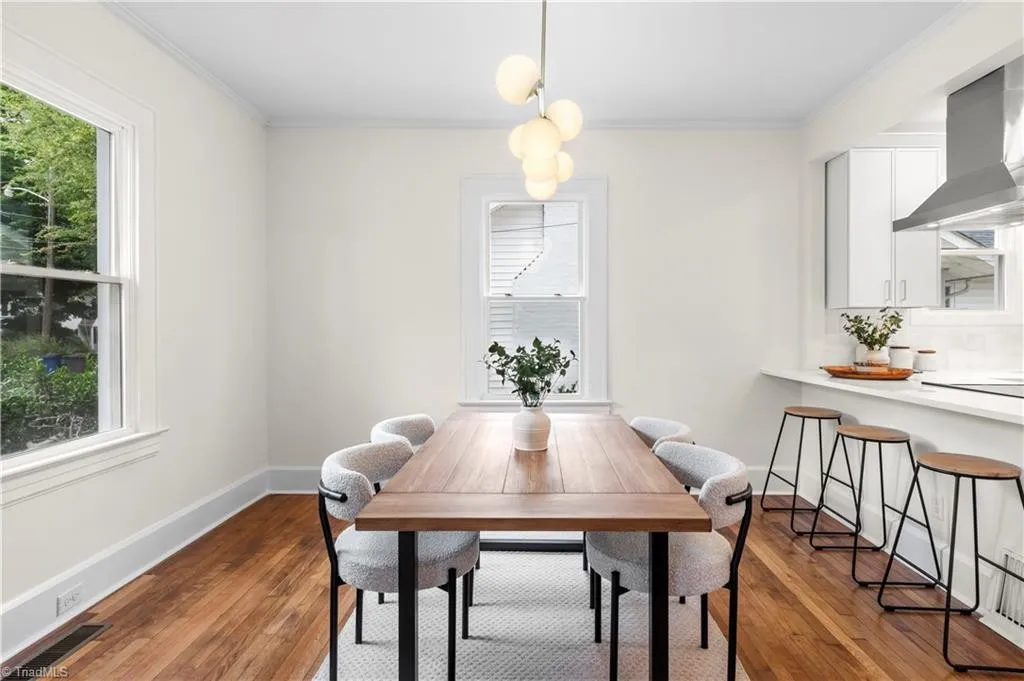
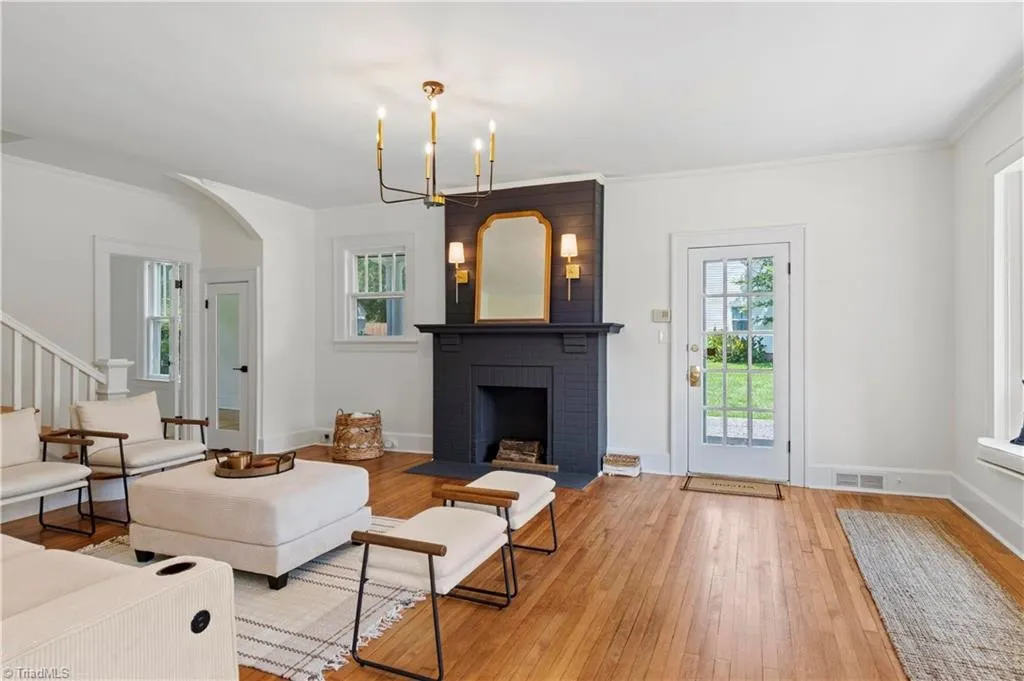
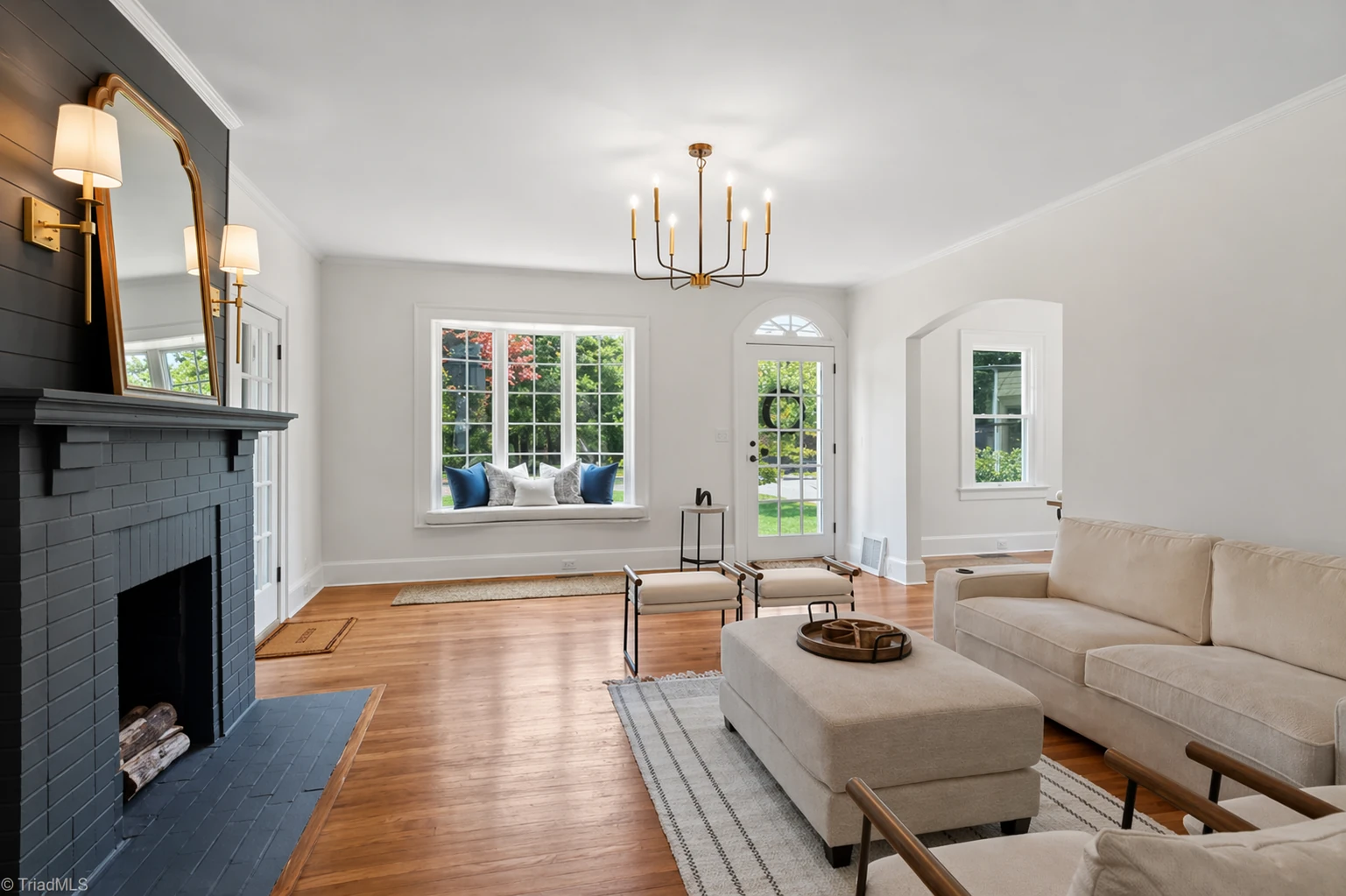
The original white oak hardwood floors on Polo Road had survived nearly a century of foot traffic. Rather than overlay engineered hardwood or tear them out, we sanded down to bare wood, addressed the worst gaps and board repairs, and refinished with a satin poly that let the original grain and patina show through. Every board is original to the 1920s build. You cannot buy that with new material — it has to be earned by preservation.
Opening the kitchen without losing the bones
The biggest structural move in the whole project was removing a load-bearing wall between the kitchen and the living area. On a 100-year-old home, that’s not a DIY call — you engineer a replacement beam, verify the foundation can take the point loads, and stage the work so the house is never unsupported. We sized an LVL header to span the opening, transferred loads through the existing framing, and opened up a floor plan that had been chopped into small rooms since 1925.
The payoff: the kitchen, dining area, and living room now read as a single light-filled space, but the trim profiles, door casings, and crown molding are all period-accurate. Someone touring the house can feel the 1920s in the millwork and the 2026 in the flow.
Detail choices that matter
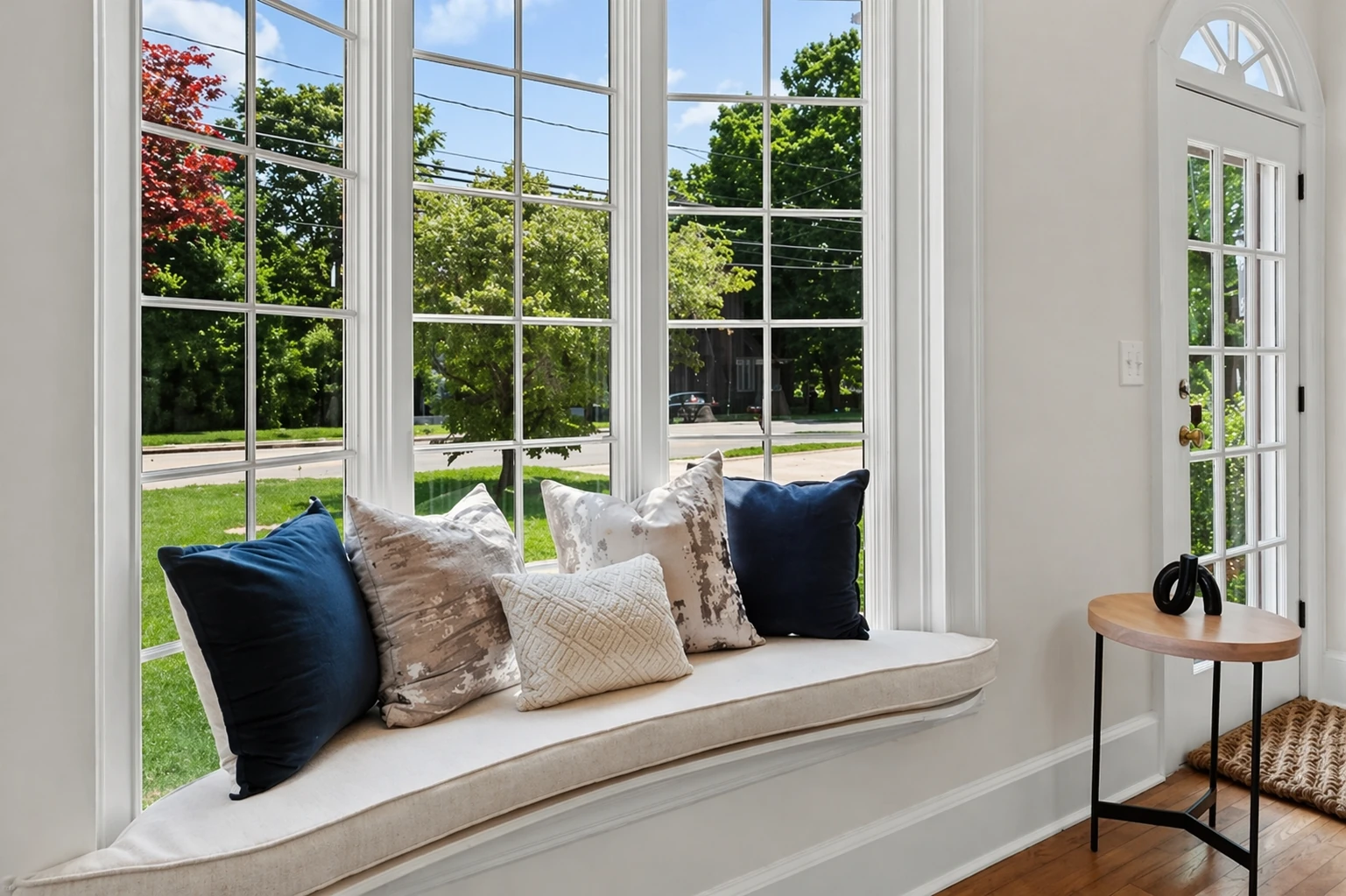
- Bay window reading seat — built-in cushioned seat with concealed storage below, custom-built to the exact radius of the original bay
- Black-and-gold accent fireplace wall — painted brick with mantel work that matches the home’s arched door casings
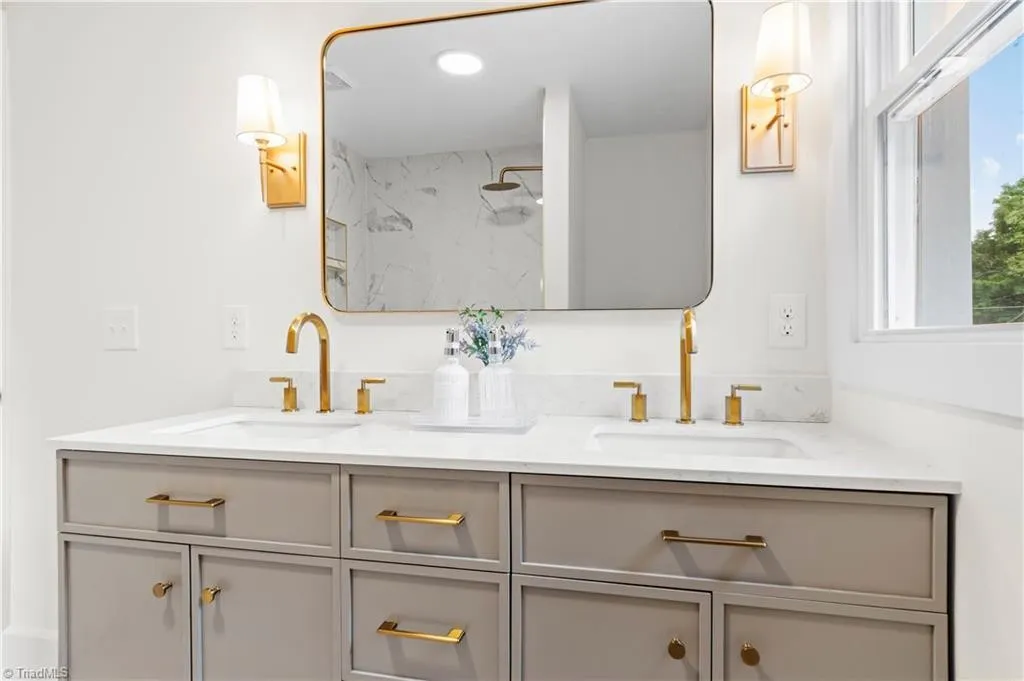
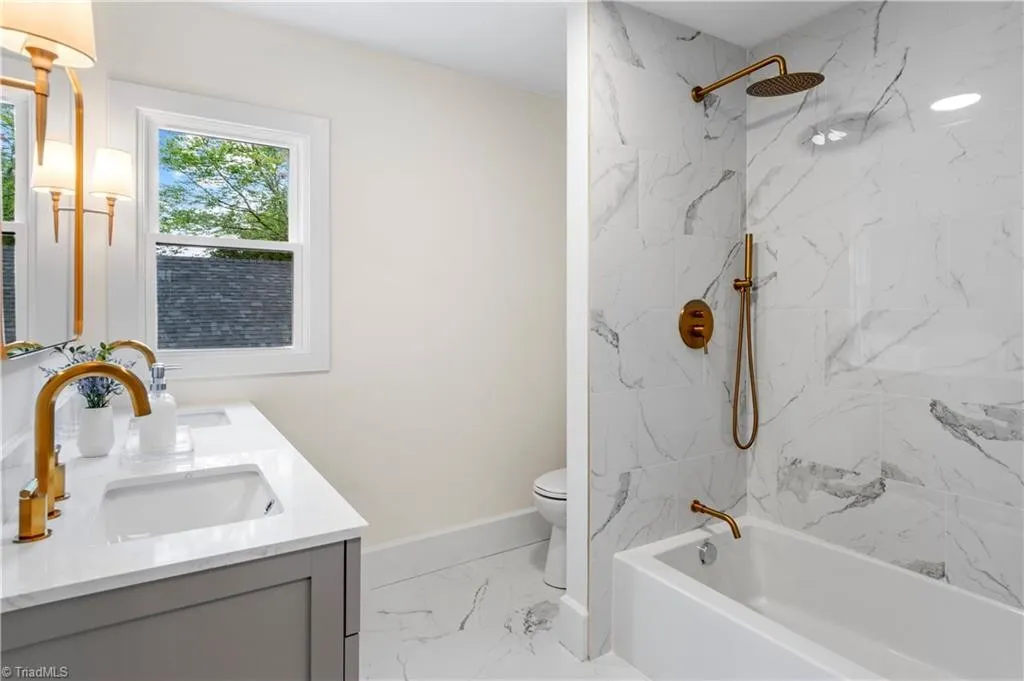
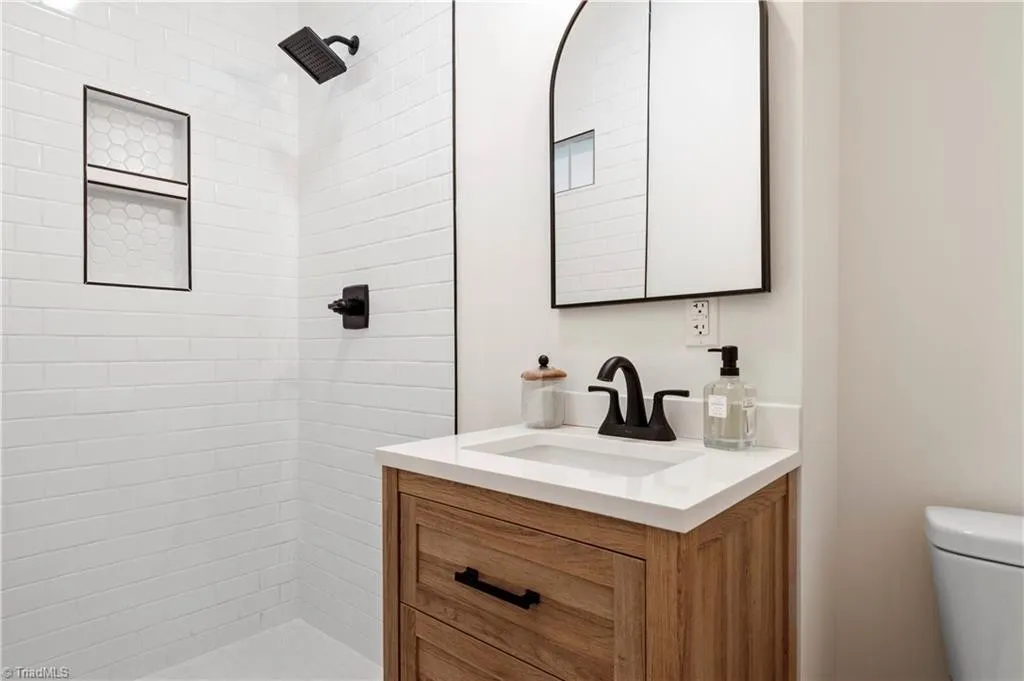
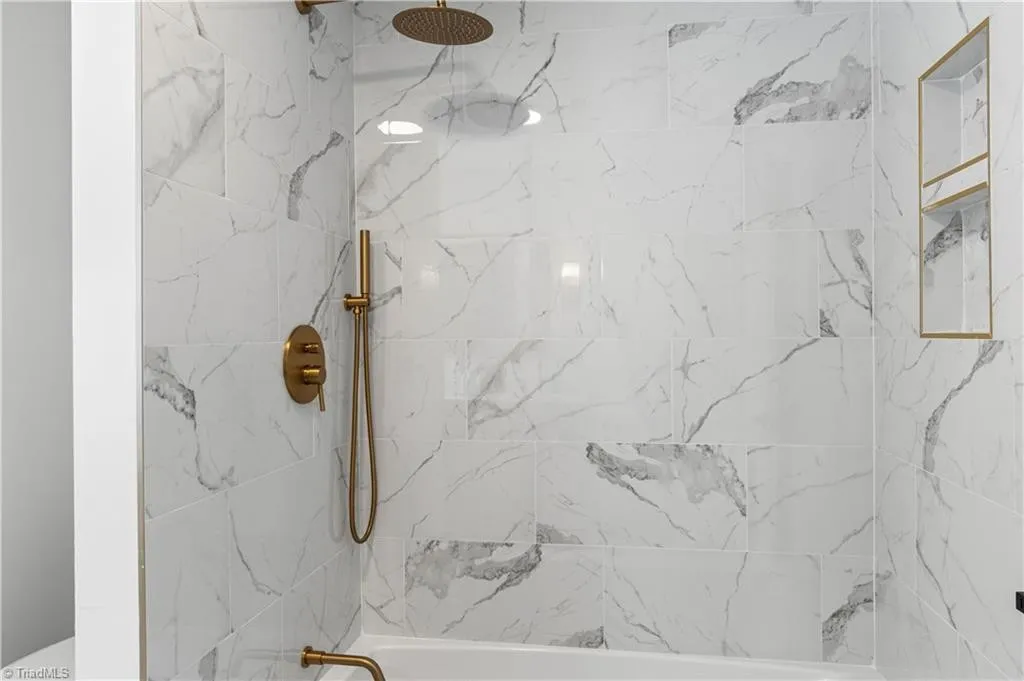
- Bathrooms — fully redone with period-sympathetic tile, brushed-gold plumbing fixtures, and wainscoting that reads 1920s even though every material is new
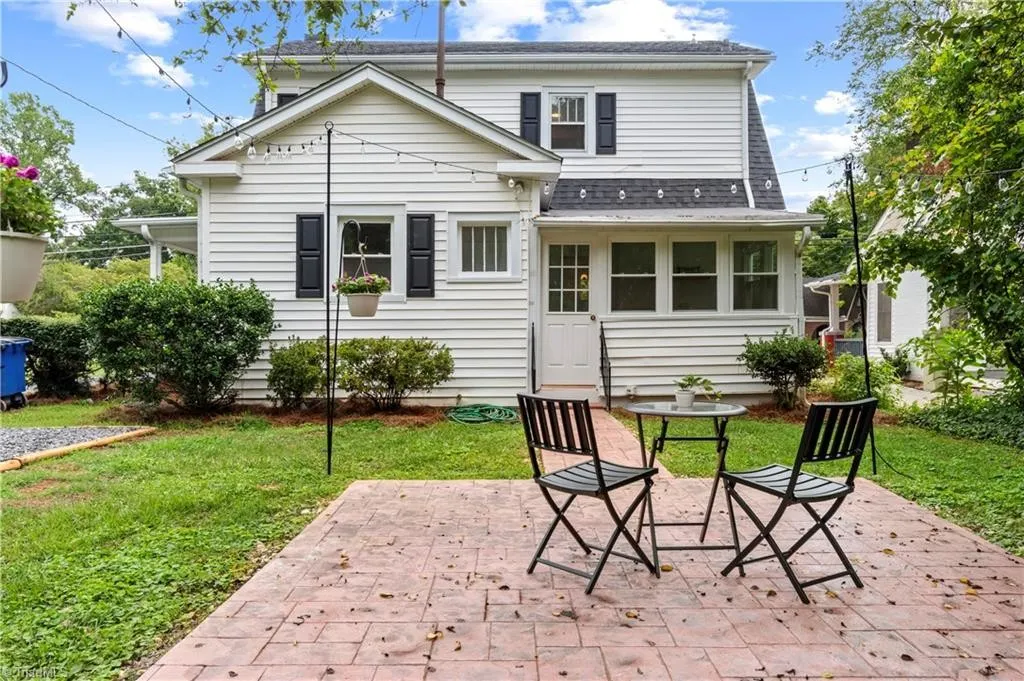
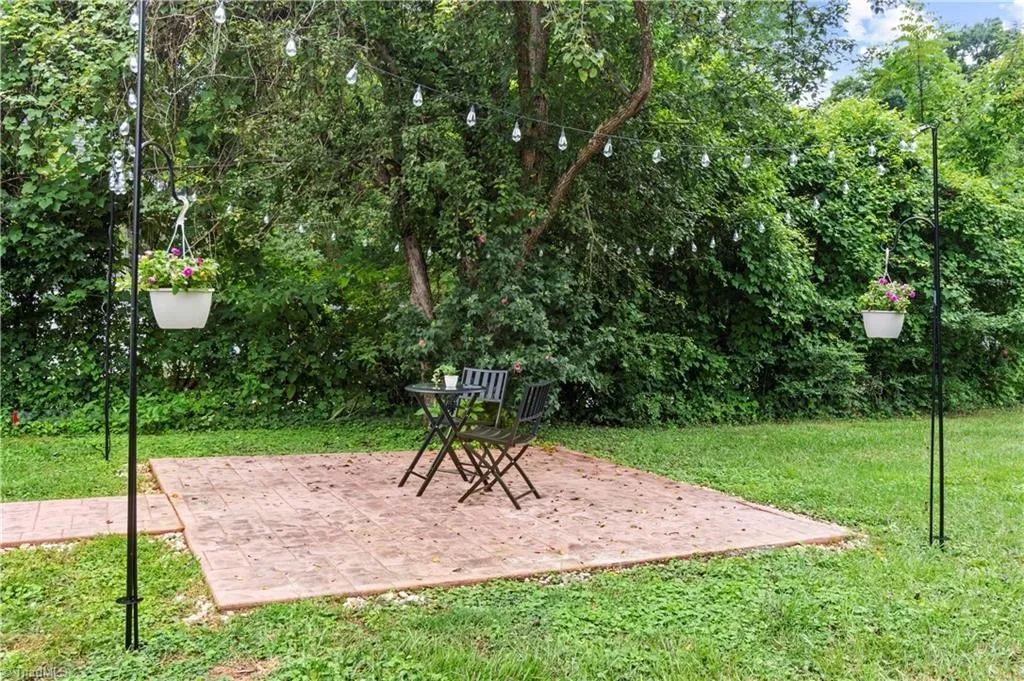
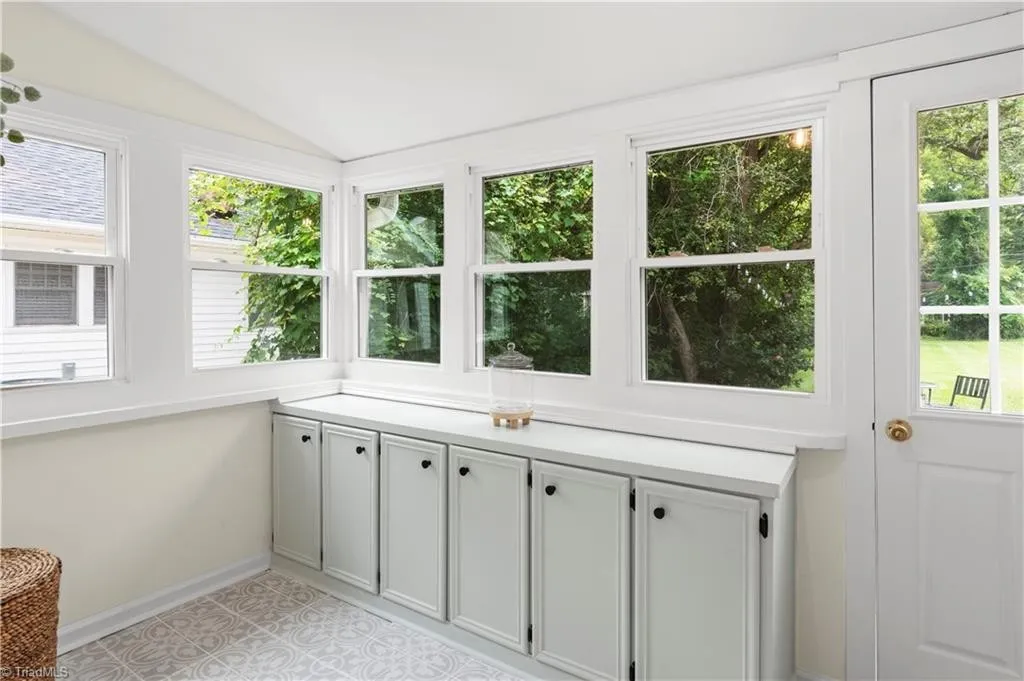
- Exterior — original side porch restored, Dutch Colonial gambrel roof lines preserved, landscape beds reworked to frame the front elevation
This wasn’t a renovation that slapped shiplap on an old house. Every decision was about preserving what made the Polo Road Dutch Colonial special while bringing the livability into the current decade. The owners now have a home that will last another hundred years — and still look like it belongs on its block.